
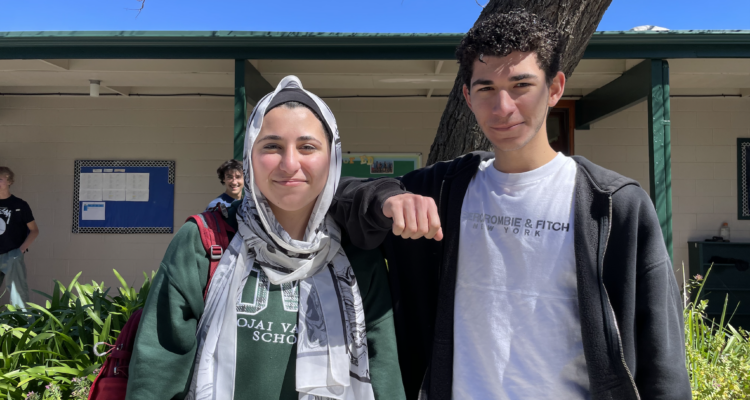
4:30 AM. OVS junior Malak Masoud wakes up to cook eggs and toast in the dark, empty girl’s lounge. The sun has not yet risen. After she eats, she washes her dishes, drinks lots of water, and sleeps for another hour before participating in a full day of classes and sports without any food or water.
Malak and her brother Senior Yousef Masoud observe Ramadan, an Islamic tradition of a month-long fast and time to focus on spirituality and empathy.
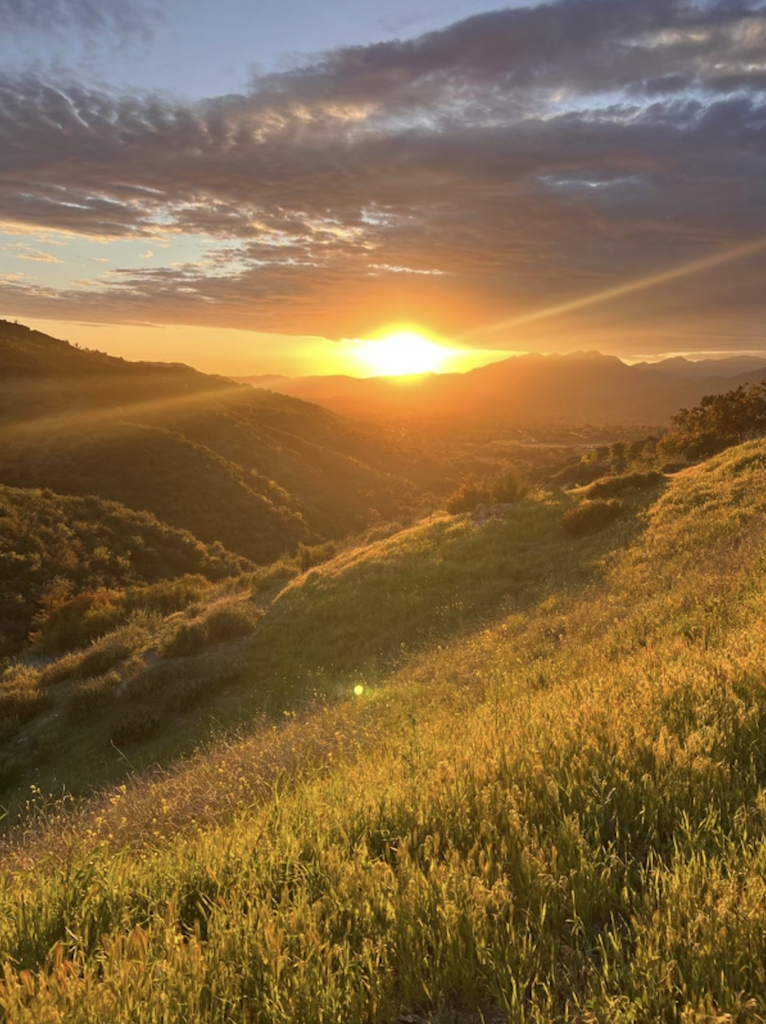
In the morning, Yousef and Malak wake up before the sun comes out, to make and eat suhoor. Suhoor is the meal eaten before dawn (for context, dawn is around 6:00 AM), and suhoor is the last meal eaten until after sunset, which is after 7:00 PM. This means there are over 13 hours between the two meals. Yousef wakes up around 5:30 AM to eat, while Malak wakes up around 4:30 AM to cook herself food.
Living quasi-independently, away from home, Malak has to cook for herself. “It is harder, because I have to make my own food,” said Malak. When she lived at home, her parents would often cook. Now, she wakes up earlier to cook for herself and clean up after.
To last the day without food, Malak and Yousef focus on eating protein and fiber, which take longer to digest and provide more long-lasting energy. Yousef eats foods such as yogurt or peanut butter to last him the day. Malak also focuses on protein and likes to eat vegetables to ensure she has enough nutrients for the day.
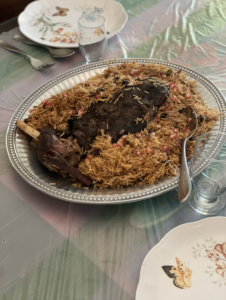
After eating and drinking lots of water, they go back to bed until it is time for school.
In countries where Islam is more widespread, such as Saudi Arabia – where Yousef and Malak attended school – many schools start later in the day during Ramadan, to give students more rest after waking up so early. With the old schedule, Malak would wake up at ten.
Malak feels the difference between Ramadan in Saudi Arabia and Ramadan in Ojai. The people who did not fast- non-Muslims and people with medical issues- were in the minority. “It felt like that month, it revolved around fasting,” she said.
Additionally, fasting fostered community. “All the kids are doing this, so it’s not only me. So we’ll all show up like ‘Yeah, I didn’t sleep last night’ and we’ll laugh about it,” she said. “There’s a change in that sense.”
However, at OVS, the schedule is less accommodating. School starts at 8:10 AM. Yousef said he only gets about an hour of rest after eating before waking up for school.
Additionally, like most boarding students, Malak has a roommate. “Adele would need to get ready, and I can’t blame her for turning the lights on. And I’d sleep even with the lights on,” Malak said.
In Saudi Arabia, the schedule would also change to shorten classes, passing periods, and the lunch period. “It’s really different. I definitely miss the old schedule,” Malak said. “Our brain doesn’t go overtime.”
“Also, there wouldn’t be homework. And they would minimize tests,” said Malak. “I recommend all teachers do this from now on,” she joked.
“But now there are tests, and there’s lots of homework,” said Malak.
Sports is another challenge when abstaining from food and water. Yousef played three volleyball games right at the beginning of Ramadan, but he said fasting didn’t affect his ability to play his best. “Sports takes your mind off of food,” he said. “If you get really into a game, you won’t realize you’re hungry or don’t have any energy.”
Junior Andrew Little plays on the volleyball team with Yousef. “I’m not joking, but he’s all of a sudden playing way better,” he said.
Malak used to sleep right after school until she woke up to break her fast. Then, she would do homework for an hour and a half, and then stay up, talking to her friends. Now, she has to wait and sleep as soon after study hall as possible. Sometimes, she has difficulty falling asleep so soon after eating.
After their full day of school, they go to the cafeteria to make their dinner.
“My food nowadays isn’t what I used to have during Ramadan,” Malak said. “You break your fast with dates and water. And you say a prayer, or a dua, before you break your fast,” she said. “And then you drink soup. There’s lots of soups, because you need the water. Most of them have some sort of protein whether it’s lentils or pieces of meat.”
Now, Malak and Yousef break their fast with whatever the cafeteria serves.
However, they don’t eat during dinner. They put the food in boxes and wait until after sunset (around 7:15 PM) to break their fast and eat in their dorms.
Yousef says fasting helps him feel more empathetic and grateful. He said: “You get the pleasure of eating and you’re like ‘Wow, I went through this whole day without eating and now I’m full and happy. So we become grateful, and we thank our God.’”
Malak’s mother had their family download a Quran reading app, which can set up timed reminders to read the holy text and records the time they read for. “I think it’s sort of like a competition now,” said Malak. “My mom has a lot of free time, so she’s beating us all. She would just send the scoreboard, and she’s like ‘Good job guys!’, and she’s teasing us because she’s doing better than everybody else and reading more pages.”
Additionally, Malak said this is a good time for self-improvement. “This is the time that all the devils are locked up,” she said. “[Your bad habits] are your own actions and you can’t blame it on the devils.” Therefore, she says Ramadan is a good time to recognize bad habits and set goals for yourself.

Moreover, Malak said Ramadan is a time to get closer to God, and prayers are more likely to come true. “It’s a time to cleanse yourself from the year,” Malak said.
Yousef thinks students should try Ramadan for a new experience. “You will definitely feel more empathetic. That’s something everyone should feel,” he said. He said it would be an experience students should try, even if they tried it for just a day.
For anyone wanting to try Ramadan, Yousef shares a few pieces of advice:
First, wake up 30 minutes before sunrise to eat. If you eat too early, you’ll get hungry quickly. Second, eat fiber and protein for longer-lasting energy. Avoid carbohydrates, which don’t last long. Third, drink plenty of water before the fast. Fourth, he said “Just go on about your day. Don’t push yourself.”
Malak welcomes questions. “I like the questions when they’re curious. I think it’s sweet,” she said. “Lots of people were asking about Ramadan. It makes me feel like they care.”