

For the first time in recent memory, a student-led initiative to change the student dress code has successfully made changes to the Student Handbook, setting precedents and marking an inspiring new attitude for student-led change in coming years.
The Ojai Valley School Upper Campus 2023-2024 Student Council (ASB) has had a successful and progressive run so far, having helped implement numerous projects and proposals for on-campus changes regarding student life.
“I think it is awesome to have student involvement in updating or at least looking at the dress code because it really impacts the students,” Student Council advisor Laurel Colborn said. “I think if they are really unhappy with some of the restrictions set in place, then they should at least have a voice at the table.”
With the help of Mrs. Colborn, who has an extensive background in law and the process of submitting a proposal, members of the ASB delegated a committee to sketch a formal proposal to change portions of the student dress code. Members of the committee included Karin Hahn, Elizabeth Ramsay, Ben Manning, Mariana Thacher, Donahi Soriano, Tallulah Bell, Chloe Ronning, and Andrew Little. Earlier in the year, the approved draft was submitted to the board of the Ojai Valley School to be discussed among the board members and potentially approved.
Of the changes proposed, most were approved, passed, and implemented into the handbook sent out in re-enrollment contracts, meaning the changes will take effect in the 2024-2025 school year.
Some of the notable amendments include the newfound permission of a nose stud piercing, cut-off shorts or pants, and relaxed dress code policies for dormer students on weekends. Additionally, it is acceptable for students to participate in sports without a shirt or with an appropriate sports bra-type covering, especially considering the hot conditions outside during the starting and ending months of school.
One of the last changes accepted was in regard to the allowance of midriff. Rules prior outlined that a student’s shirt should cover their entire midriff when performing acts such as “bending, reaching, or sitting.” The modified version, however, states that as long as a shirt meets the top of a student’s pants when standing, it is within the guidelines and acceptable.
Although the matter of student dissatisfaction with the dress code has been a long-standing issue, head of Ojai Valley School Upper Campus Craig Floyd expressed that in his time here at OVS, he has never seen students successfully pull together a movement of the likes to make a viable change in the handbook – until now.
Student reaction to the changes has been highly positive and even inspiring, as students eagerly anticipate the start of their opinions being considered.
One of the points most often argued by the students has been that a more relaxed dress code would better endorse the concept of self-expression. It is important for teenagers–who are undergoing the time in their lives with the most change–to feel better supported as they discover more who they individually are as they rise closer to adulthood.
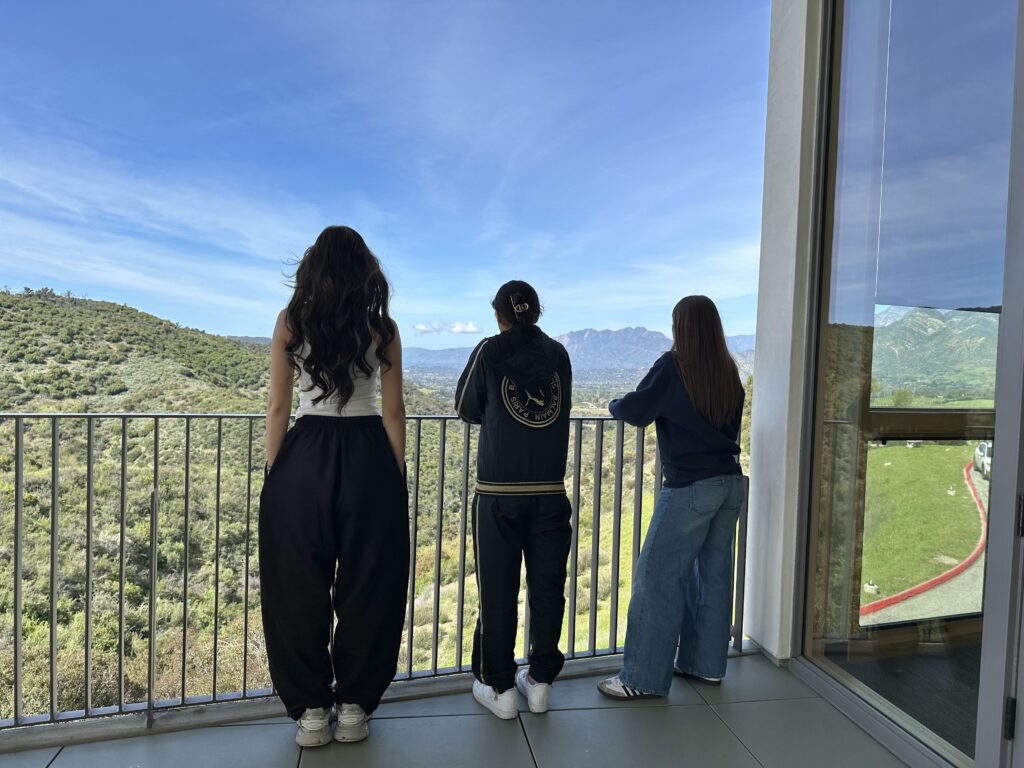
Moreover, female or female-identifying students have expressed concern with old dress code policies having a seemingly disproportionate impact on girls. Numerous girls have cited getting dress-coded more than boys, even when boys who are not in compliance with the dress code are standing right next to them.
Other students argue that because the board members are, of course, no longer teenagers, they have a very limited view of what is realistic, desired, and even trendy for high school students to be wearing.
“The current definition of ‘formal’ or what is considered ‘appropriate’ dress, particularly in a school setting, has changed so much just in the past twenty years,” said junior Tallulah Bell.
Being over a century since Ojai Valley School was founded in 1911, the board has traditionally leaned toward conservative dress code policies. The main purpose of a dress code, as outlined by those in charge, is to provide the students with an example of decorum and formality that many professions in their future require of employees. For the time being, school is a high school student’s “profession,” and the board expresses that standard by implementing restrictions on what is “realistic” for students to wear in a professional setting.
Mr. Floyd reminisces about a petition signed by a large proportion of students to change the dress code just last school year. The problem with such efforts, however, was that they were not in a format that could be implemented into the handbook and, therefore, considered little by Mr. Floyd and the board.
“Students are really busy, seniors especially,” said Mrs. Colborn. “Even if they have the best of intentions, at the end of the day, some of those drop off when the reality of college applications, for example, becomes more of a priority.”
Nevertheless, this year’s Student Council came together to create a positive change for all members of the student body in the future. Even considering a large portion of the ASB are seniors and will not witness the changes put into action next school year, their dedication remains as they put in the work, met the deadlines, and successfully implemented their voice into the future of the school.
“Although I still personally believe there are more changes I would like to help implement,” Tallulah commented, “I am looking forward to the new rules. I hope that they inspire students in the future to feel like they have a voice in things that they want to change at school and set an example for how they can make it happen.”