
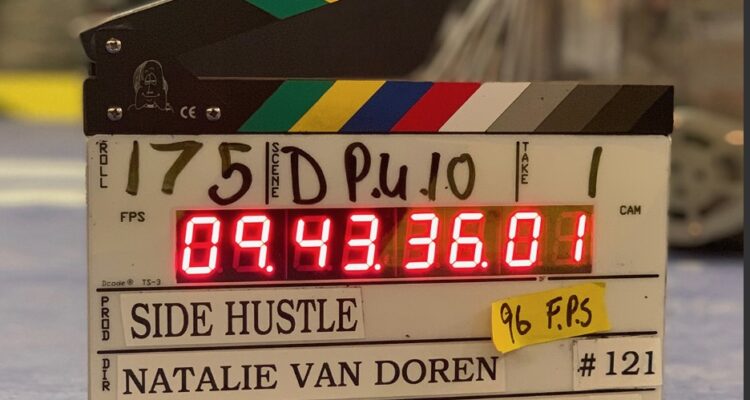
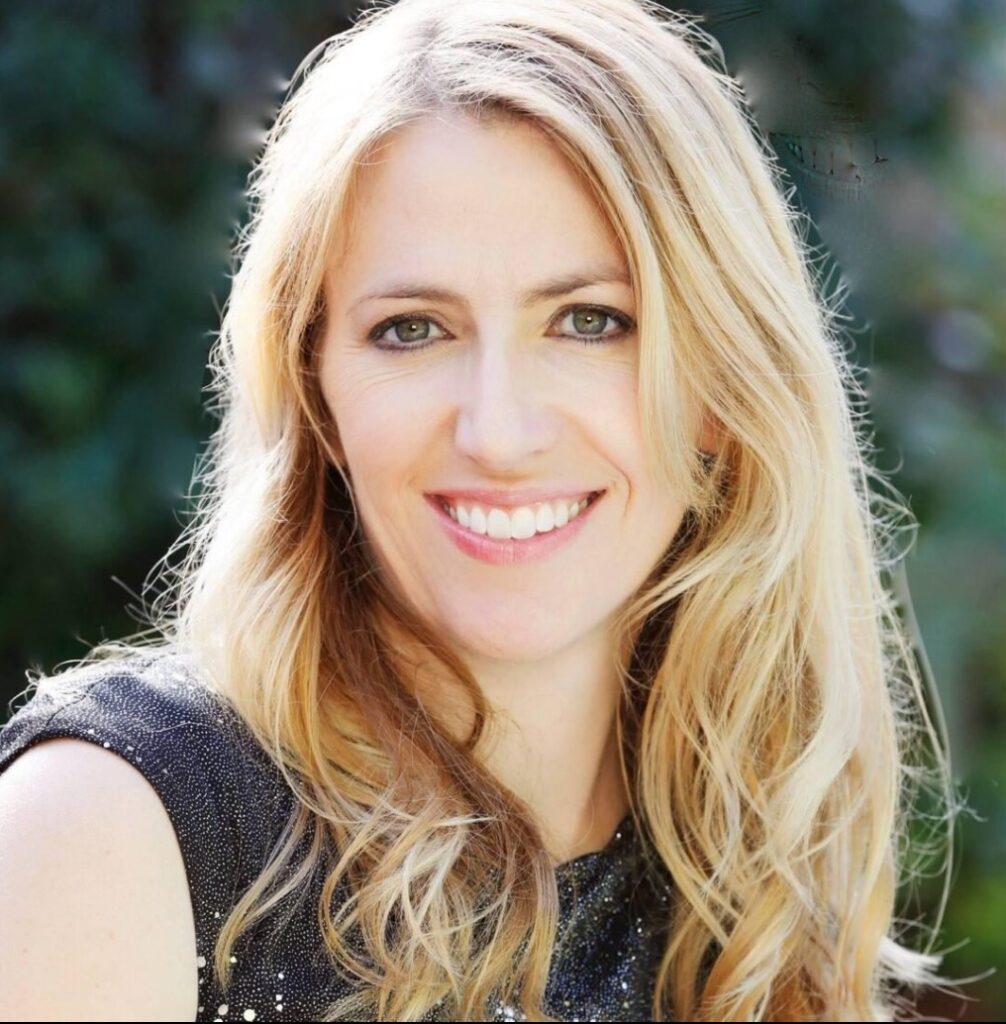
When Natalie Van Doren first entered the film industry, artificial intelligence was still a concept of the future.
She began her career as an assistant, reading
scripts for Davis Entertainment in 1995. She moved up through the prestigious Directors Guild of America training program in 1999, and today she works as a writer, director, and assistant director in the film and television industry.
But now AI is a thing, one that has cursed her daily career, along with many others who are now struggling for jobs. Van Doren said she knows lots of people in the industry who’ve already lost their jobs as a result of the incursion to AI technology.
“Our unions fought hard for protections of our jobs, but sadly, it put all of us out of work for well over a year,” said Mrs. Van Doren, the mother of OVS junior Oliva Matheny.
Mrs. Van Doren is not alone.
According to an episode of The Sunday Daily podcast, artificial intelligence is already changing Hollywood. Studios are using AI to help edit movies, create visual effects, and adjust actors’ voices and faces.
This is putting workers at risk. Visual effects artists, voice actors, and background performers could lose work as studios rely more on AI. Many people worry that fewer jobs will be available in the future.
One guest on The Sunday Daily, New York Times movie critic Alissa Wilkinson, claims that artificial intelligence isn’t necessarily bad and can help with certain things.
“Artificial intelligence tools make it more possible, not less possible, to continue to only turn out the same material slightly remixed over and over again, because there’s less risk in that,” Ms. Wilkinson says.
OVS photography and video production teacher Ryan Schude has more than 20 years of experience in editorial, commercial, and fine-art photography. He says AI is already reshaping the commercial ecosystem. He claims that creative directors use AI to generate imagery, which outsources smaller photographer tasks.
He warns that while AI isn’t matching client expectations for high-end work, continued improvement could shrink the market for photographers over the next 5-10 years.
“If AI can do something cheaper and no one can tell the difference in the quality of the product, then that’s what they’re going to do,” Mr. Schude said.
Lawrence Lim, an assistant cameraman since 2000, has worked through the industry’s shift from film to digital while building his career from production assistant to the camera department.
While many in the industry are embracing artificial intelligence as the next evolution of filmmaking, Mr. Lim remains cautious about what it could replace. He acknowledges AI’s growing role in visual effects but questions how far its influence should go.
“The worry is that AI will erase the human craft this industry was built on, techniques refined for over 100 years, and one that’s gone, you can’t just bring it back,” said Mr. Lim, the father of OVS junior Olivia Schutte Lim.
Natalie Van Doren shares those concerns.
She says artificial intelligence has already shaken the industry, pointing to the strike two years ago that halted production for 13 months.
Ms. Van Doren said unions fought hard for job protections, but the work stoppage left many crew members without income for over a year.
Unlike those who frame AI as simple progress, Ms. Van Doren believes the real battle is far from over.
“We will have to continue to fight each time we negotiate our contracts,” she said, warning that protecting jobs in the age of AI will require constant resistance.