
What happens when the books that bring us education, entertainment and comfort, are suddenly removed from our hands?
When a book is banned or challenged it not only silences authors, but readers as well. National Banned Books Week started in 1982 and its purpose is to celebrate the freedom to read and it draws attention to the prevention of public communication and speech.
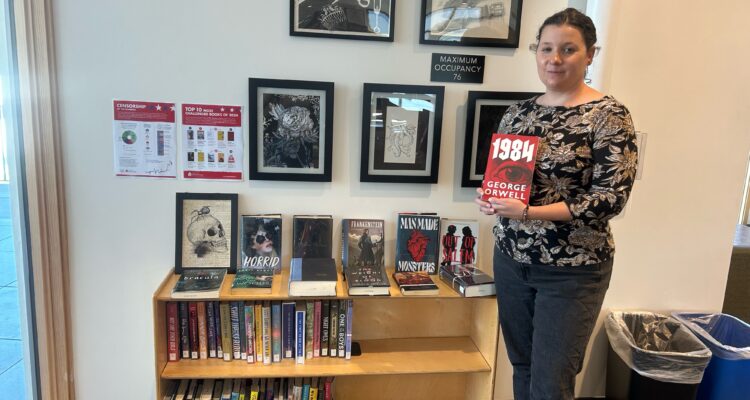
“It silences voices,” said librarian at Ojai Valley School, Devyn Reynolds about efforts to ban books. “That’s the thing about book banning week is that it can take books from different groups…and silence them,”
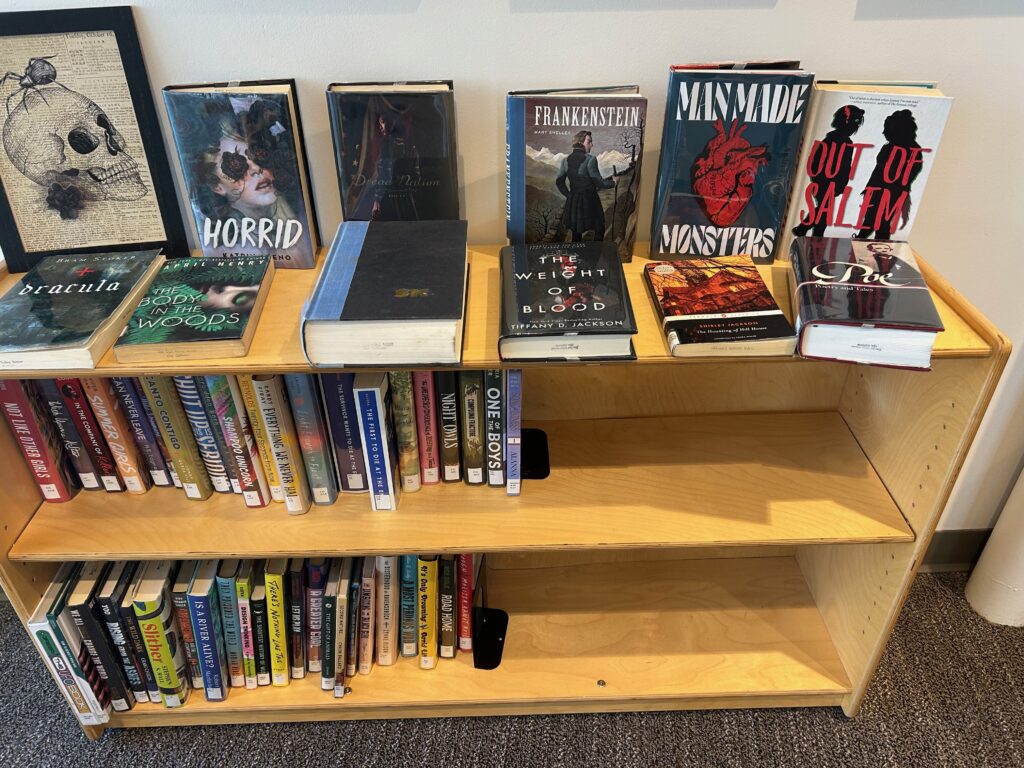
For Banned Books Week, Ms. Reynolds put up posters around the OVS campus. She displayed books that have been banned or challenged this year and in the past for everyone to see.
“You know it’s using social media, reading the books and passing them along,” said Ms. Reynolds
According to supporters of National Banned Book Week, book banning silences LQBTQ+, Hispanic authors, Black authors and Asian authors who are just trying to express their ideas even if they are controversial. The American Library Association says that banning these books takes books away from people who try and learn about these groups and also students who relate.
To participate in Banned Books week, librarians host read outs where people read banned or challenged books, post on social media using the hashtag #BannedBooksWeek, and librarians compel students to check out a banned book from local bookstores.
 A book that is challenged is a request to remove a book from public display, a book that is banned is fully removed from libraries. Most book challenges are unsuccessful due to the help of librarians.
The real harm of book banning is to the people who find help and motivation when reading books that inspire them.
“The people who like the novel can’t read banned books in public places where they carried the book and it removes different ideas as a whole,” said Percy Naumes, a sophomore at OVS.
Banned Books Week brings together librarians, authors, teachers and readers who all stand for the idea of freedom to write or read. They all come together collectively during Banned Books Week to raise awareness and advocate against book bans and challenges.
When individuals ban or challenge a book, their sympathy for authors and students is taken away.
“If you don’t understand somebody else, how can you sympathize with them?” Ms. Reynolds said. “How can you advocate for them?”
Although education and the freedom to express ideas is being taken away as these books are banned, communities everywhere find a way to fight for the information they’re putting out into the world that can teach us to think differently even if people don’t agree.
“You know what that book does, and a lot of books that are challenged and banned, is that it makes you think,’ says Ms. Reynolds.