The Lower Campus of Ojai Valley School hosted a special screening of The Cigarette Surfboard on Wednesday evening, a documentary that explores an interesting crossover between the world of surfing and sustainability.
Since its premiere at NorthwestFest in Edmonton, Canada, in May 2024, The Cigarette Surfboard has traveled the world, screening at many major festivals and receiving recognition for its powerful message about the environmental impact of cigarette butts.
The film won Best Feature Documentary at the Waco Independent Film Festival in Texas and Best Documentary at On The Beach International Film Festival in Bulgaria. The documentary has left audiences with a lasting impact sparking conversations about sustainability.
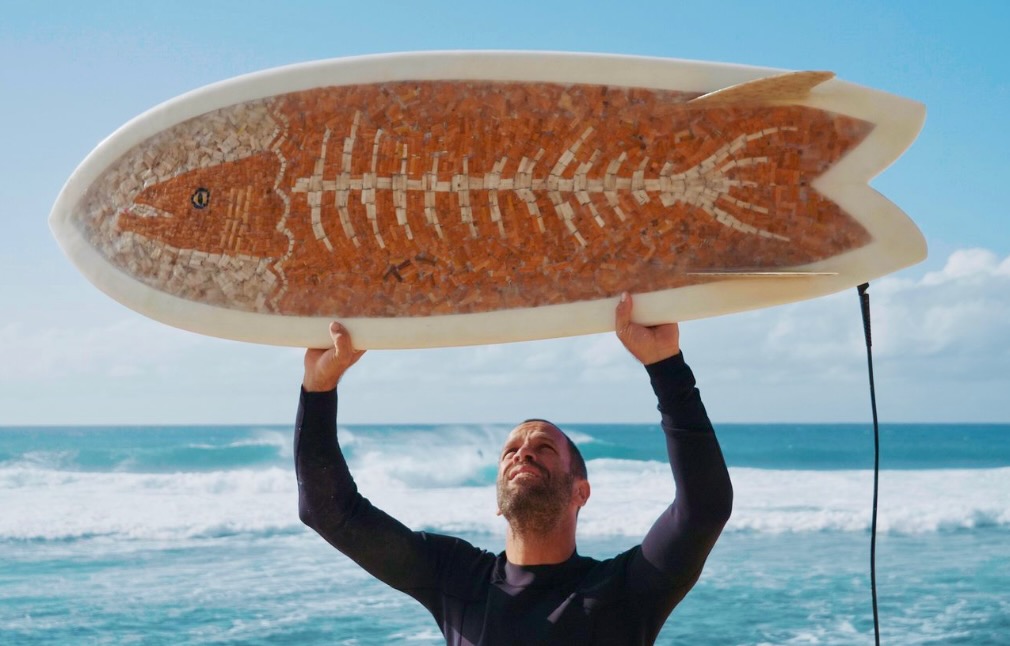
At the heart of the documentary is Taylor Lane, a California-based activist and creator of “Ciggy Boards” surfboards, which are made from discarded cigarette butts. Lane’s boards and work serve as a creative approach to raising awareness about ocean pollution and littering.
The film features professional surfers, scientists, and environmentalists, including Mikey February from South Africa, Fergal Smith from Ireland, and Rob Machado from California all of whom emphasize the urgency of ocean conservation. Other key contributors include Jack Johnson, Cliff Kapono, and environmental pioneers Chris Hines and Steve England, founders of Surfers Against Sewage. Their combined voices highlight the strong connection between surfing, the ocean and pollution highlighting the responsibility we all share in protecting it.
The opportunity to screen The Cigarette Surfboard at OVS came through a connection between Head of Lower Campus Laurie Clark and filmmaker Ben Judkins. Originally Judkins was in Ojai to show the film at the Ojai Film Festival.
Through a mutual friend from his time at Cal Poly Humboldt, Upper Campus AP Environmental Science teacher Miles Munding-Becker had a personal connection to Judkins, which helped facilitate the screening. Munding-Becker learned that Judkins was looking for opportunities to speak with students and coordinated a time to screen the film at OVS.
The event also involves collaboration with the Green Valley Project, a local organization that engages students in environmental initiatives, including youth council projects and hands-on experiences in conservation.
“Ben’s project is a great example of how activism can lead to tangible change,” Munding-Becker noted. “The Ciggy Boards have already helped push for cigarette filter bans in several California cities, and there’s potential for similar activism in Ojai.”
OVS middle and high school students have already had the opportunity to learn about Judkins’ project.
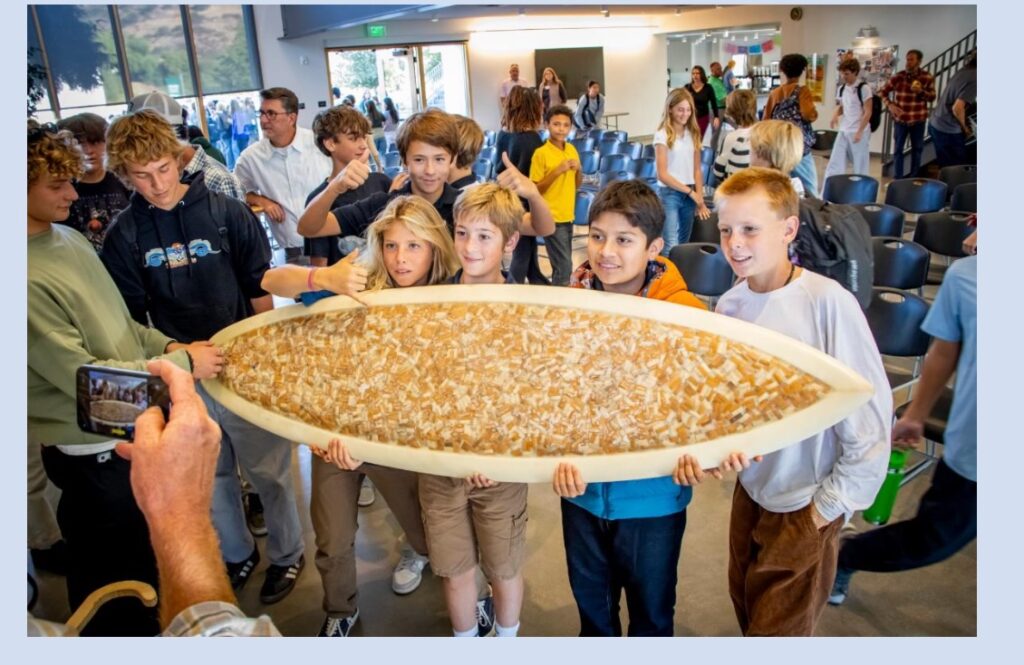
In November, the filmmaker met with students for a powerful discussion on this topic. Judkins brought clips from the film, which had just screened at the Ojai Film Festival. Afterward, students got a chance to check out two of the cigarette surfboards in person.
For OVS students and the entire Ojai community, this evening’s screening is an opportunity to be further educated on pressing environmental issues and be part of the conversation on environmental sustainability.
Whether you’re a surfer, an activist, or simply someone who cares about the planet, The Cigarette Surfboard delivers an inspiring message of change. Being located 40 minutes from the beach, OVS has participated in multiple beach cleanups and hopes to participate in many more.
Filmmakers Ben Judkins and Taylor Lane who are both passionate about the ocean, created The Cigarette Surfboard as a call to action. The two met in Santa Cruz, California, bonding over their shared love for surfing and environmental activism.
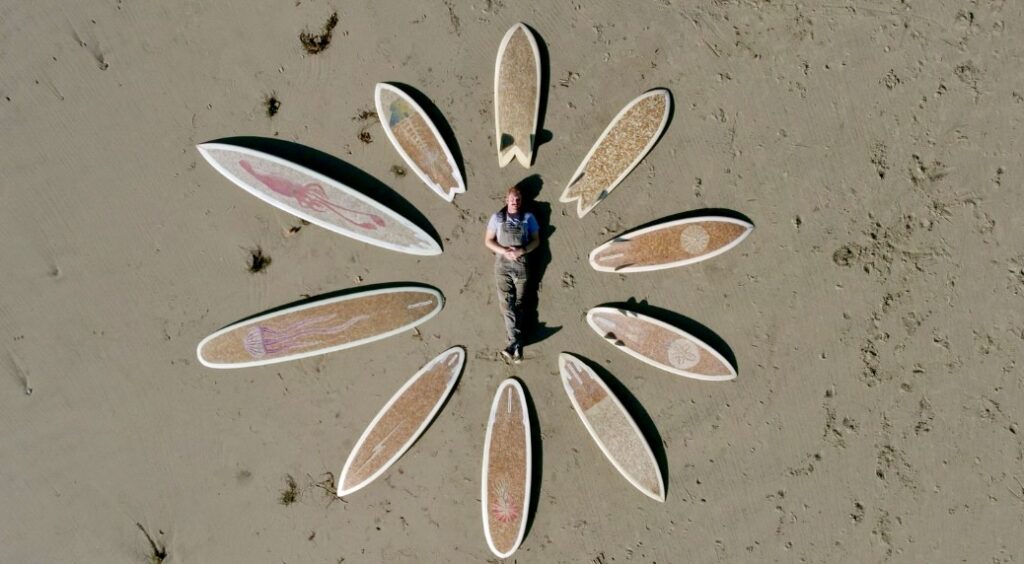
“Back in 2017, my good friend Taylor Lane came up with the idea for the first Ciggy Board in response to the Visalia Surfrider Foundation Creator Contest,” said Judkins. “We knew this was a story we wanted to follow, but we had no idea it would turn into a seven-year journey and a 90-minute documentary.”
The Ciggy Board came about through a global contest put on by surfing organizations that prompted people to build an article of surf craft out of litter. What started off as trash was given the chance to become treasure while also helping clean beaches of the number one most littered item, cigarette butts. Taylor and Ben estimate that more than 100,000 cigarette butts were taken off the beach.
“For the first board we personally collected a lot of butts but also went to beach cleanups held by ocean conservation groups and collected butts picked by volunteers,” Judkins said. “With 14 boards now and a few years, Taylor and I think 100,000 cigarette butts were taken off the beach.”
Judkins emphasized the impact of educational screenings.
“My favorite screenings are the educational ones – we get to interact with students, it’s really powerful,” he said. “Having the boards and the film gives students inspiration on how they can get involved with ocean activism and environmental stewardship.Having conversations with that age group is very powerful and important.”
The film’s core message is trying to shift perspectives on waste and inspire people to take action and demand change.
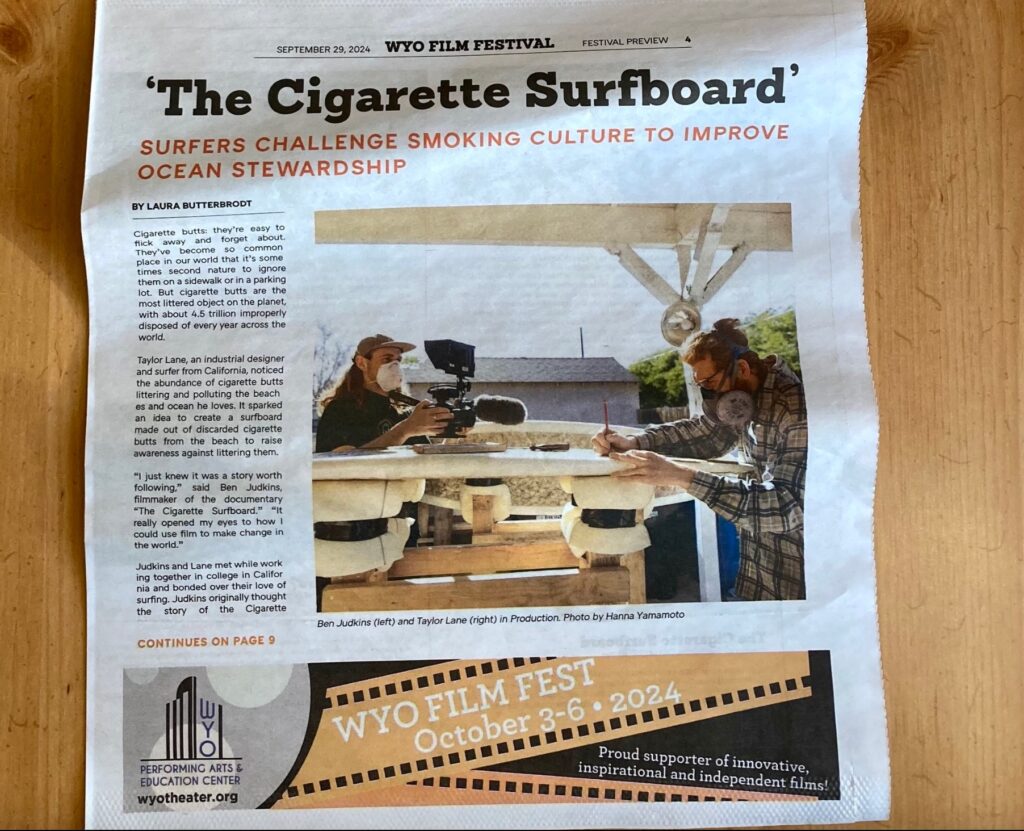
“The film starts with the littered cigarette butt, and it really looks at what that symbolizes,” Judkins explained. “The flick of a cigarette symbolizes our ‘throw-away’ culture and the idea that my small actions won’t really add up. The Ciggy Boards take that problem and turn it into something really beautiful. I want people to walk away from the film feeling inspired to take action in their community.”
Ultimately, Judkins hopes The Cigarette Surfboard leaves audiences motivated.
“I just want people to feel like they have the capacity to make change in their lives and in their local communities,” he said. “We didn’t want to make another depressing environmental documentary, we wanted to give people hope and inspiration.”